Guest Post: The Armchair Astronomer’s Dream
By Terry Burlison
Light. An astronomer’s muse, when staring into the infinite void of space, sensing the arrival of photons from hundreds or billions of light-years distant.
Light. Also an astronomer’s bane, a pollutant that can wash out beautiful night skies and turn that $15,000 piece of equipment you purchased into a year-round coat rack.
For those of us who live in light-polluted skies, is it possible to get beautiful night sky pictures without waiting for the next city-wide blackout, or having to pilgrimage to some remote dark sky location like high-tech bedouins?
The answer is now YES, and for less money than you might imagine.
Meet the SeeStar line of astrophotography telescopes. These tiny marvels bring convenience and, most of all, performance to any astronomer with a few hundred dollars budget. They are specifically designed to enable virtually anyone to grab amazing night-sky shots from even light-polluted locations.
I own the SeeStar S30, a $350 device about the size and weight of a hardbound dictionary book (for those of us old enough to remember such things). Externally, it has a tiny 30mm objective lens, a power button, and some status lights. That’s it. All other user functionality resides in the well-designed app (iOS or Android).
Despite its diminutive size and price tag, my SeeStar is capable of taking photos like this, from my light-polluted back yard outside Seattle:
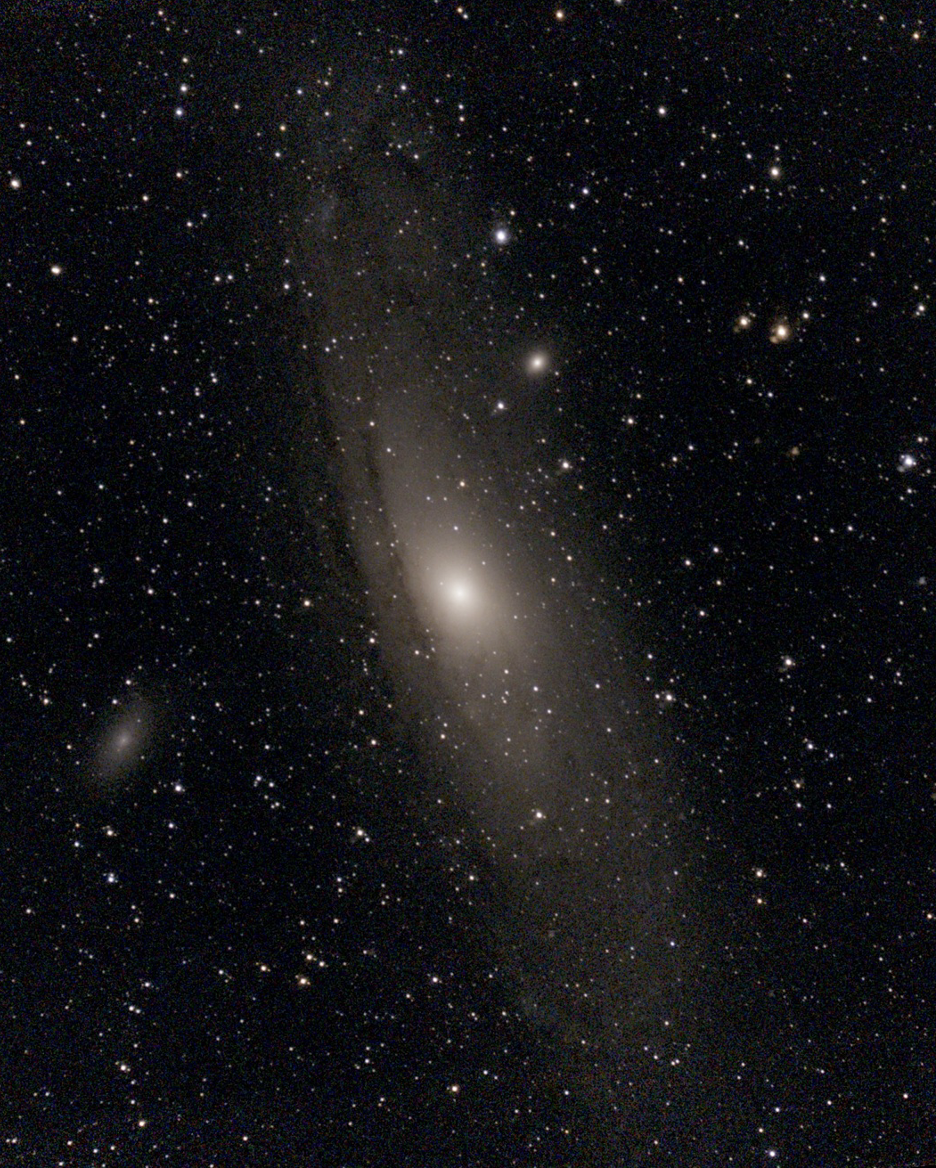
Andromeda Galaxy (M31)
The image of M31 above, the Andromeda galaxy, required the following steps:
1) Place the scope on a picnic table
2) Turn it on
3) Connect the scope to the app via wifi
4) Scan the app for a target (M31)
5) Press “Take photo”
Then you just sit back and wait for the magic. No more struggling to find Polaris, or making sure the elevation is set properly for our latitude, etc. The scope figures out where it is and where to look without interference from its owner. Point-and-shoot, without even needing to point. You can even watch the photo materialize as if by magic on your phone.
The SeeStars (there is also a slightly larger 50mm version) work on the principal of photo stacking. Astronomers know the more photons that fall on your imager, the brighter your picture. There are two ways to achieve this: Use bigger lenses/mirrors (requires money) or use longer exposures (requires time, good tracking equipment, and good seeing conditions. And usually money).
To simulate long exposures, the SeeStar takes many photos of the target, then its onboard software “stacks” the images on top of each other. Since the image exposures are short, say 10 seconds, the scope is able to keep the target pretty well centered for each shot, reducing motion blur or star trails. Stacking 100 images atop each other is rather like taking a single 1,000 second photo. Bad images, such as when your buddy accidentally aims his flashlight at your scope or a Starlink swarm blunders past, are automatically discarded.
The app comes with a large catalog of celestial objects: nebula, galaxies, clusters, even comets. For each, it tells you the rough azimuth and elevation for that evening so you can decide when and if you want to photograph it. Note that planets are also in the catalog, but the scope is not optimized for those targets and the images are disappointing. It does, however, do a good job on the sun (through a supplied solar filter) and the moon as seen in the images below.
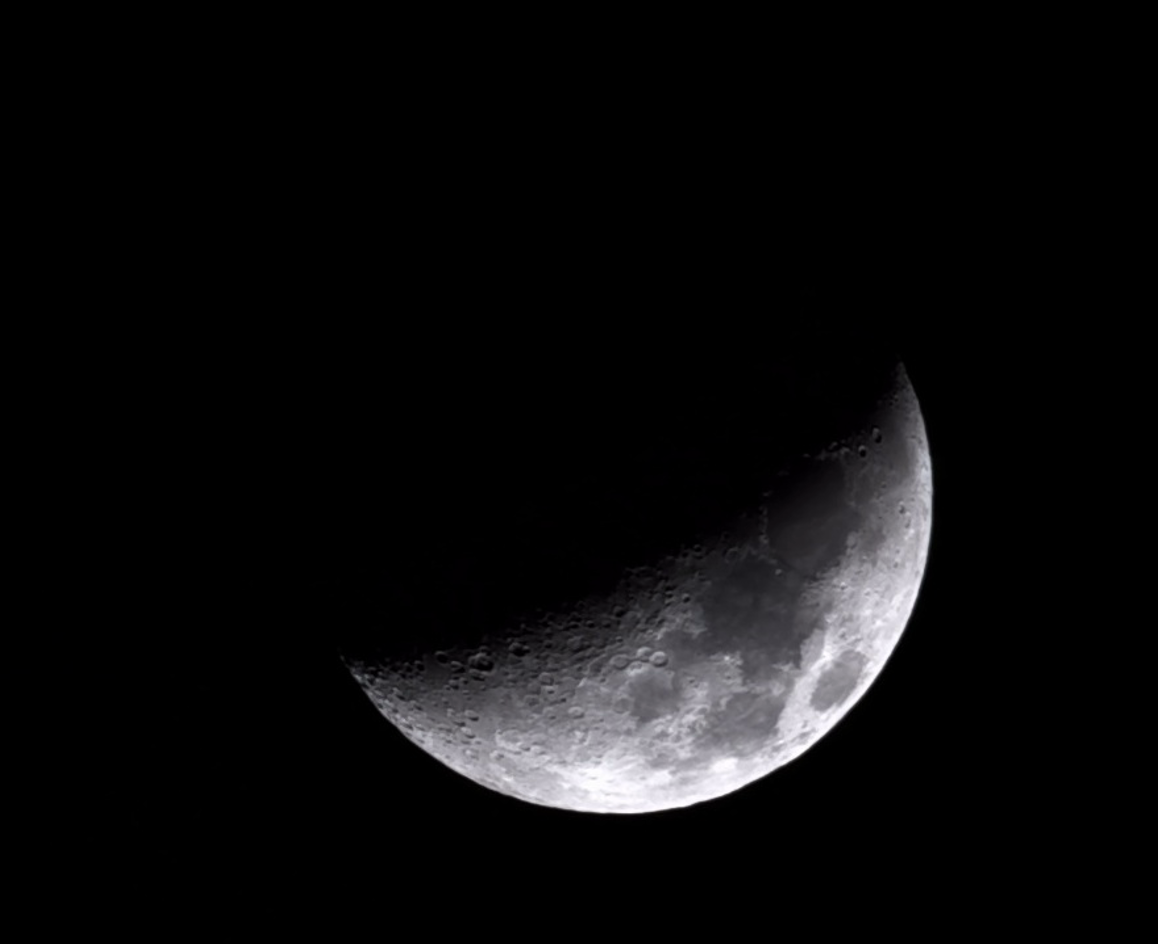
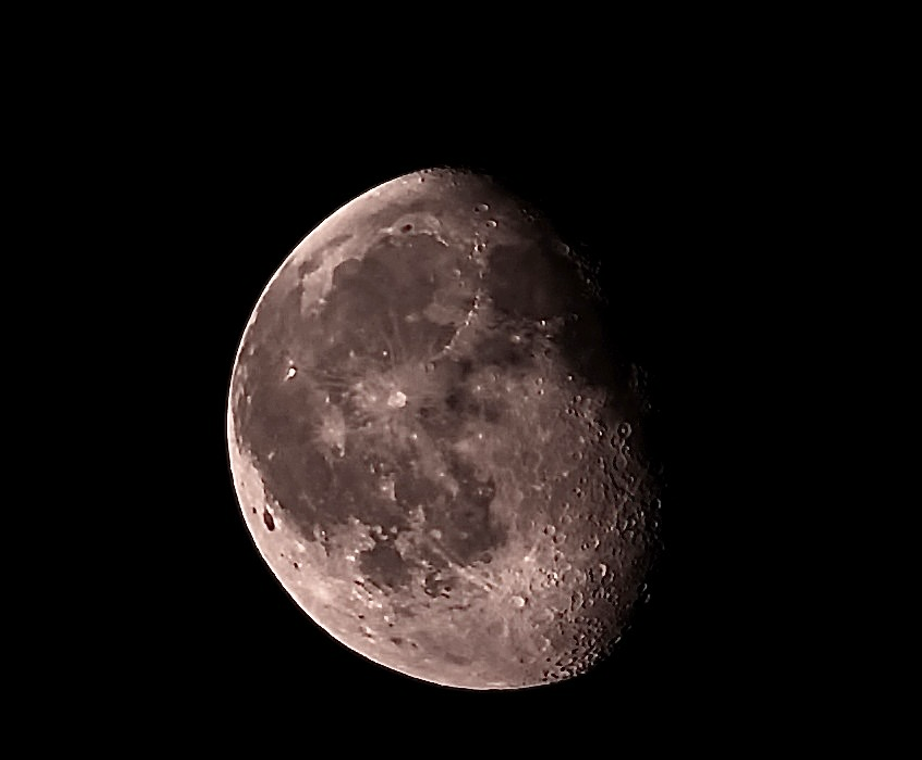
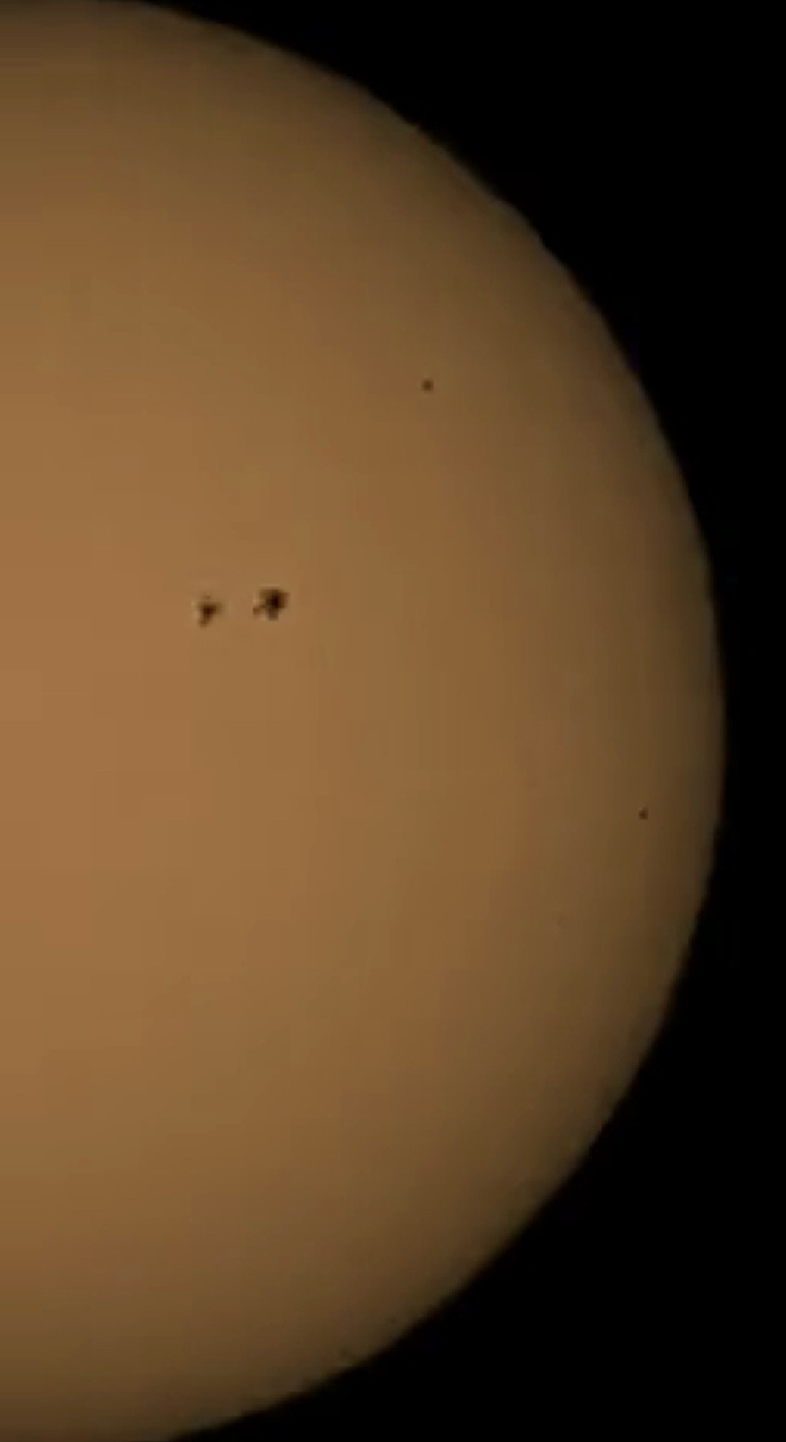
The SeeStar saves the individual images in RAW format, so they can be imported into other photo editing software, including astrophotography apps like Siril. For my pictures, I find a few simple tweaks of brightness, contrast, black point, etc. on my phone does a decent job of taking a picture like this:
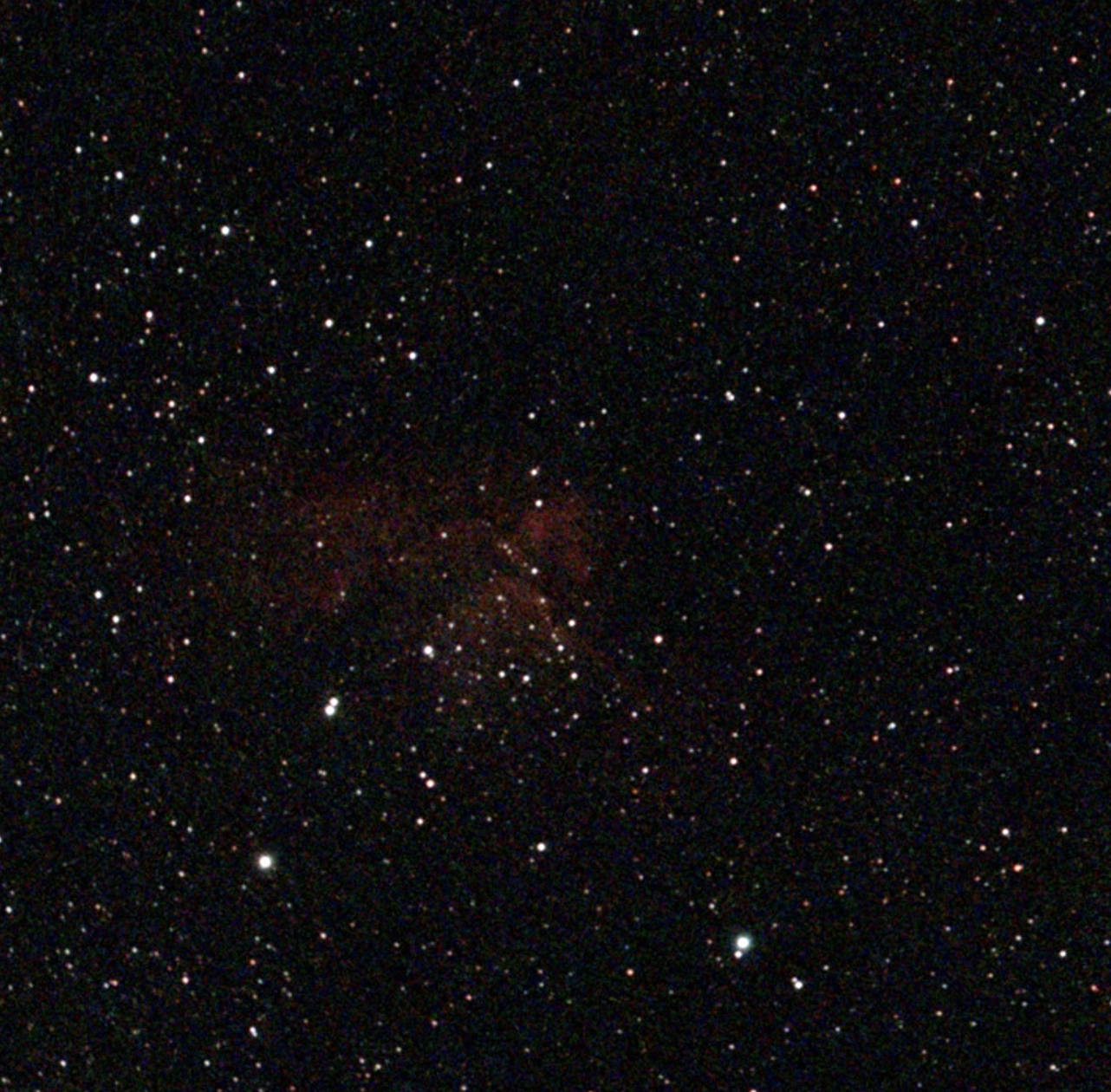
Unprocessed image of NGC 7000, the North America Nebula.
And turning it into this (admittedly overexposed):
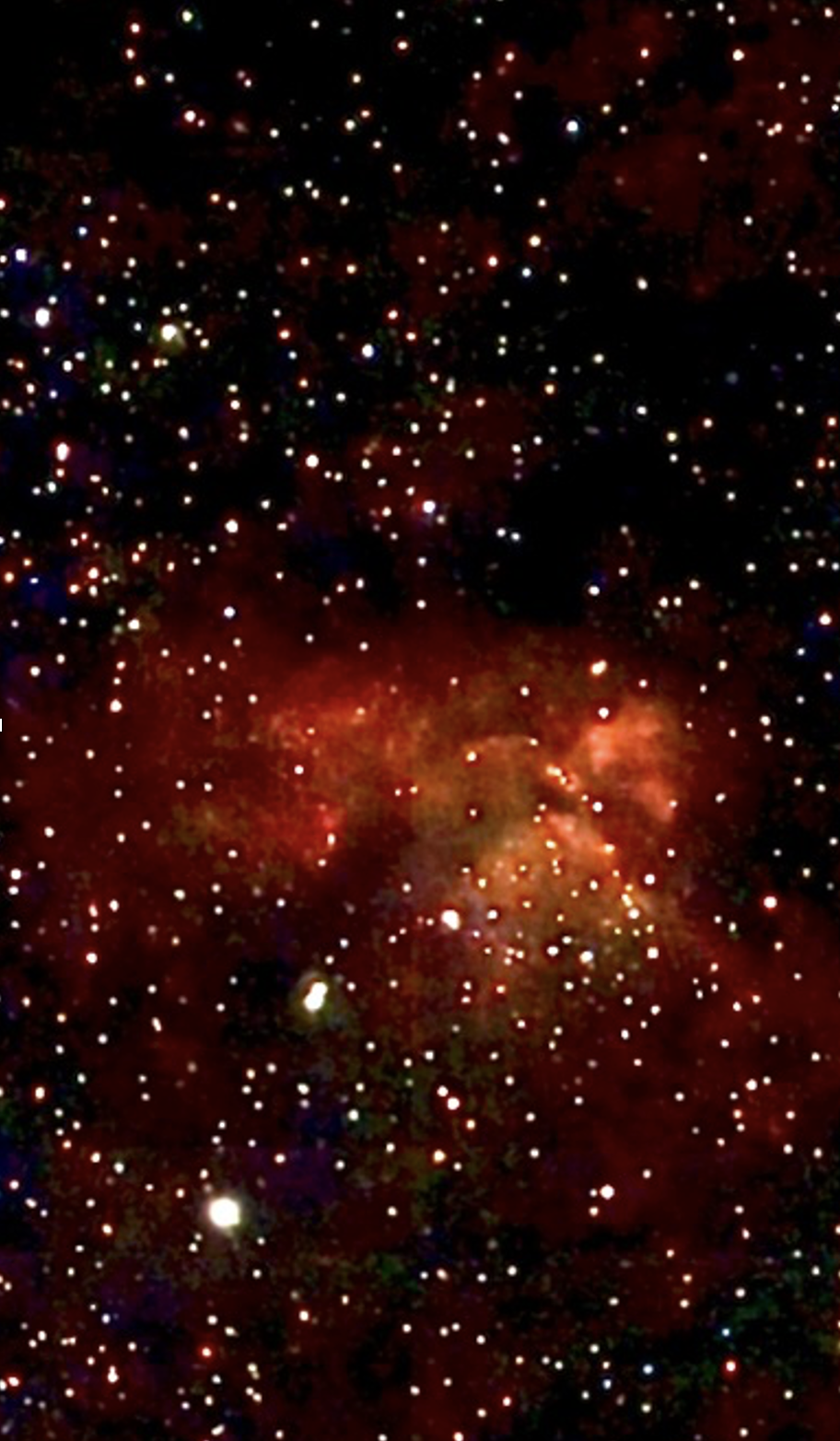
Processed image of NGC 7000, the North America Nebula
The scopes have built-in dew and light pollution filters. A friend of mine purchased the SeeStar 50 and made the following observation: “It’s almost like we’re cheating,” a thought that had occurred to me, as well.
Well, If cheating will get me glorious night sky images through light polluted skies for less money than a family dinner at the Space Needle, then so be it. We city-dwelling armchair astronomers finally have an option.
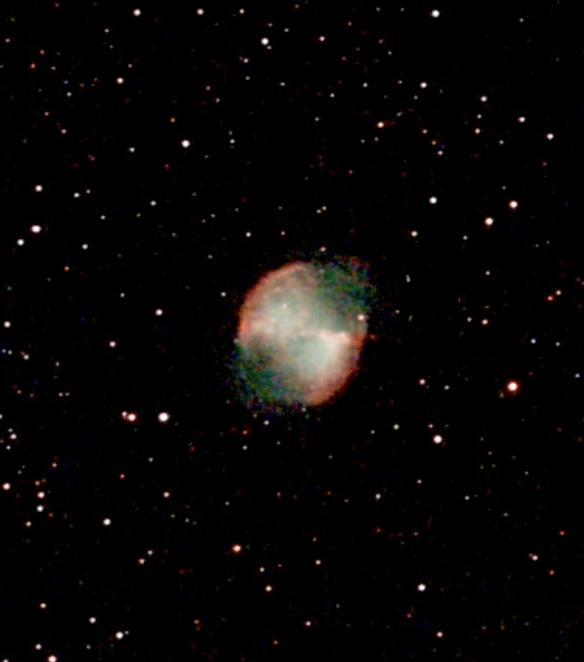
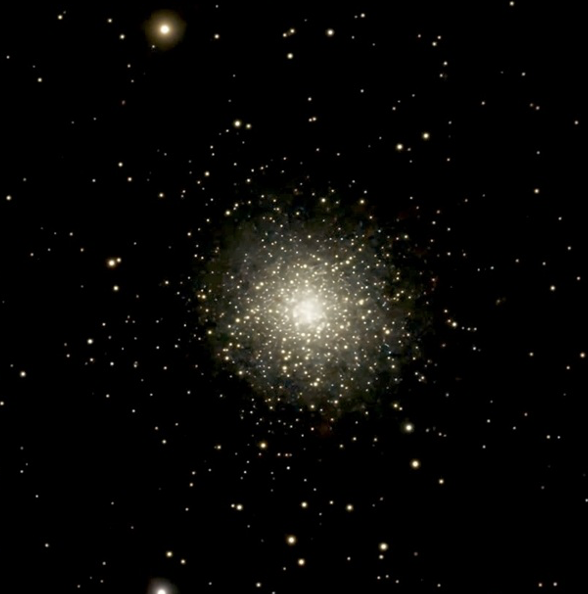
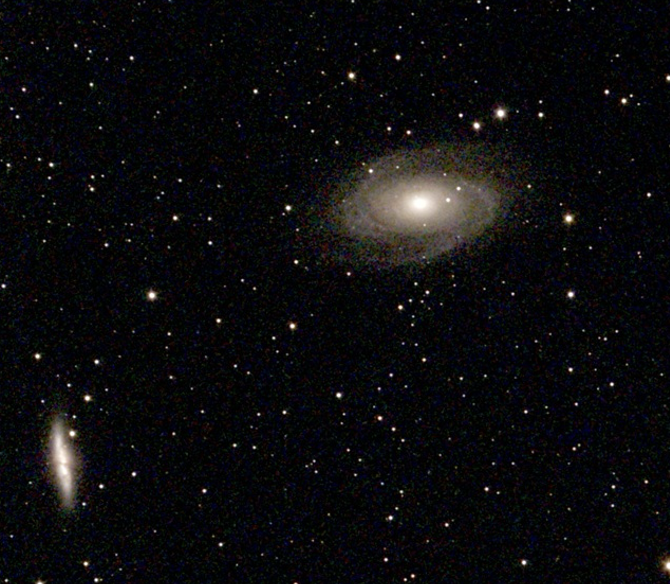
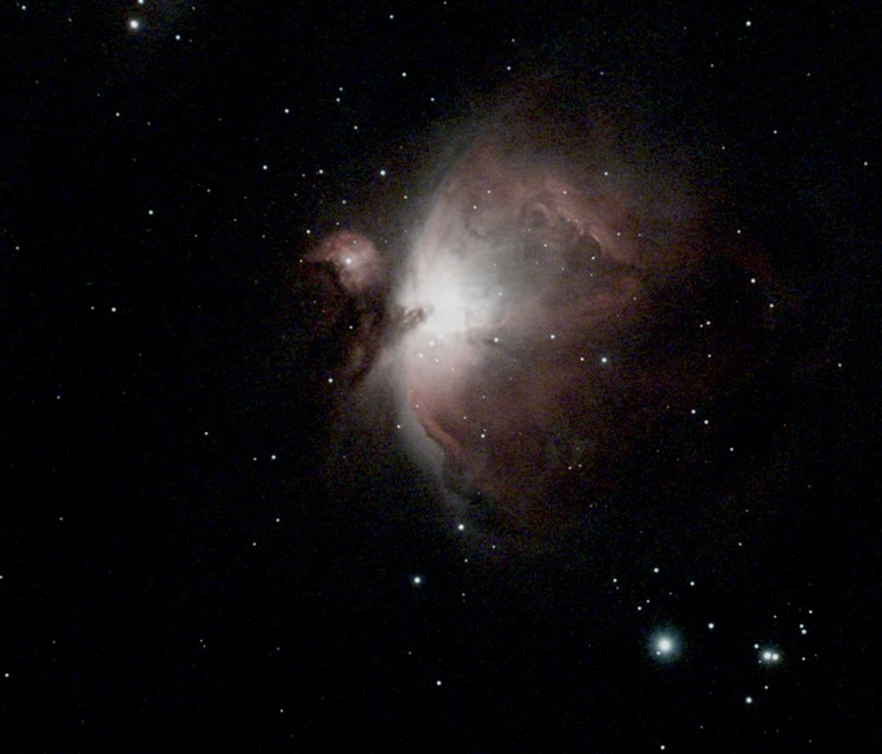
NOTE: Below are a few more images from my SeeStar 30. These are 2K images. The SeeStar recently released a firmware upgrade that now enables 4K.
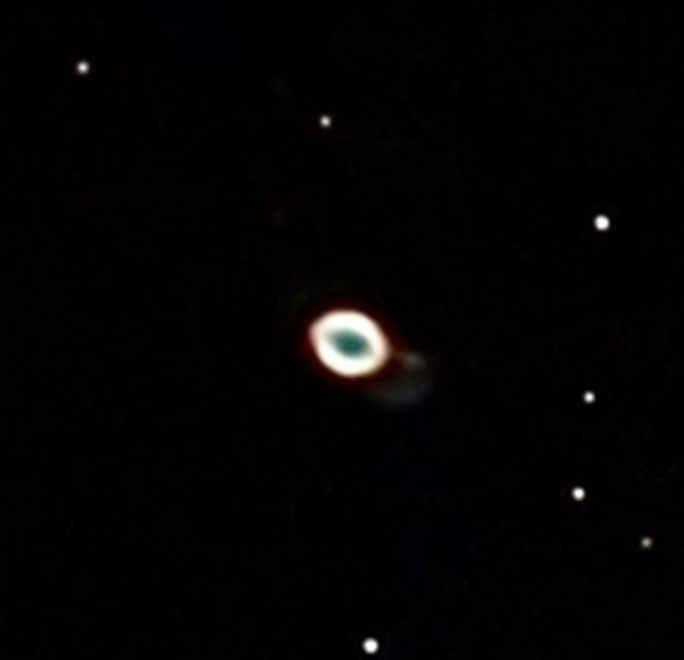
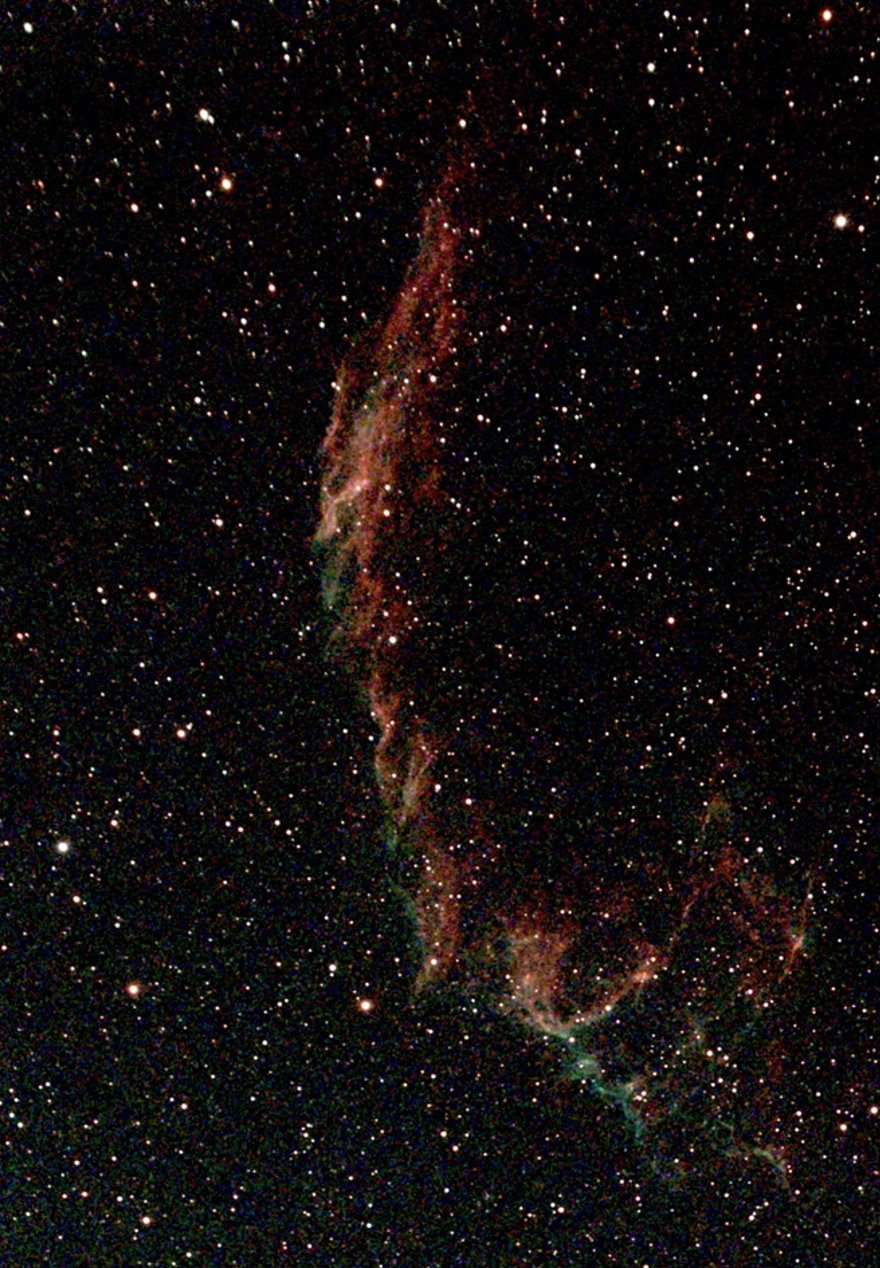
Top Row: Dumbbell Nebula (M27), Hercules Globular Cluster (M13), Cigar Galaxy & Bode’s Galaxy (M82 & M81)
Bottom Row: Orion Nebula (M42), Ring Nebula (M57), Veil Nebula (NGC 6992)